
bedroom vanity mirror with lights
In the realm of industrial machinery, ensuring stable support is crucial for maintaining operational efficiency and prolonging equipment lifespan. Pad iron from Storaen (Cangzhou) International Trading Co. emerges as a reliable solution, offering robust support while integrating advanced vibration-dampening features. Our products, including anti vibration pads , are engineered to withstand heavy loads, absorb vibrations, and enhance the overall stability of machinery in diverse industrial settings. With a focus on durability and performance, we provide solutions that address the unique challenges of heavy machinery support. Storaen (Cangzhou) International Trading Co.’s Expertise in Pad Iron Solutions Based in Botou, China, Storaen (Cangzhou) International Trading Co. has become a leading provider of industrial support solutions. Specializing in pad iron design and manufacturing, our team uses advanced techniques and premium materials to create products that meet the rigorous demands of heavy machinery. We recognize the critical role of stable support in industrial operations, which is why our anti vibration pads are crafted to deliver exceptional load-bearing capacity and vibration isolation. With a commitment to quality and innovation, we ensure our products enhance machinery performance and reduce downtime. specifications Adjustable height mm Single piece bearing capacity kg 135×50×40 4 600 160×80×55 5 1200 200×90×55 6 2000 220×110×60 8 3500 240×120×70 10 4000 280×130×80 12 4500 300×140×100 15 5000 The Design and Functionality of Pad Iron for Heavy Machinery Our pad iron features a robust design tailored to the needs of heavy machinery. Available in two-tier and three-tier structural forms, these supports are designed to provide adjustable height and stable load distribution. The wedge-based mechanism allows for precise leveling, enabling quick and easy adjustments to achieve optimal machinery alignment. Constructed from high-strength ductile iron, our pad iron resists deformation under heavy loads, ensuring long-term reliability. The integration of anti vibration pads within the design helps absorb mechanical vibrations, reducing noise and minimizing wear on machinery components. Key Advantages of Anti Vibration Pads in Industrial Settings Storaen (Cangzhou) International Trading Co.’s anti vibration pads provide substantial benefits in industrial settings. These pads, integrated into our pad iron solutions, effectively reduce vibration transmission from machinery to floors and surrounding structures. By absorbing high-frequency vibrations, they protect equipment from premature wear and tear, extending its service life. The vibration-dampening properties also enhance machining accuracy by minimizing tool chatter and surface defects. Additionally, our anti vibration pads help create a safer work environment by reducing noise levels, making them ideal for long-term industrial use. The Role of Pad Iron in Enhancing Machinery Longevity Investing in high-quality pad iron from Storaen (Cangzhou) International Trading Co. is essential for enhancing machinery longevity. The stable support provided by our pads minimizes stress on equipment foundations, preventing misalignment and structural damage. The vibration isolation features of our anti vibration pads and machine vibration pads reduce dynamic loads on moving parts, decreasing the risk of component failure. By maintaining optimal machinery alignment and reducing wear, our pad iron solutions help businesses avoid costly repairs and replacements, ultimately improving operational efficiency and profitability. Pad Iron FAQS How does pad iron ensure stable support for heavy machinery? Storaen (Cangzhou) International Trading Co.’s pad iron ensures stable support through its robust design and high-strength materials. The ductile iron construction provides excellent load-bearing capacity, while the wedge-based mechanism allows for precise leveling. By distributing weight evenly across the support surface, our pad iron prevents deformation and maintains machinery alignment, even under heavy loads. This stability is crucial for maintaining operational efficiency and preventing damage to both the machinery and the floor. What makes our anti vibration pads effective in reducing vibrations? Our anti vibration pads are designed with multi-layer damping technology to effectively reduce vibrations. The combination of rubberized base layers and ductile iron components absorbs both low and high-frequency vibrations, minimizing their transmission to the surrounding environment. This design has been tested to reduce vibration by a significant margin, improving machinery performance and reducing noise levels in the workplace. Can machine vibration pads be used with different types of machinery? Yes, our machine vibration pads , integrated into our pad iron systems, are versatile and suitable for various types of machinery. They are designed to fit standard mounting interfaces and can be used on concrete, steel, or composite floors. Whether supporting presses, lathes, or CNC machines, our pads deliver consistent vibration isolation and stable support, making them ideal for diverse industrial applications. How easy is it to install pad iron for heavy machinery? Installing our pad iron is a straightforward process that requires minimal tools. Simply position the pad under the machinery feet, adjust the height using the central bolt, and lock it in place with the anti-loosening nut. No drilling or adhesives are needed, reducing installation time and minimizing downtime. This user-friendly design allows for quick setup and easy adjustments, making it convenient for both new installations and retrofits. What maintenance is required for pad iron and vibration pads? Maintenance for our pad iron is minimal. Regular inspections to check for wear or misalignment are recommended, especially after heavy use. Cleaning the pads to remove debris and ensuring the adjustment mechanism operates smoothly will help maintain their performance. With proper care, our products can provide reliable support and vibration isolation for an extended period, reducing the need for frequent maintenance or replacements.
about
bedroom vanity mirror with lights
How to Change the Main Water Valve Changing the main water valve in your home is an important task that can prevent potential water-related issues. Whether you are replacing a malfunctioning valve or simply upgrading to a more efficient model, the process can be straightforward with the right tools and guidance. Here’s a step-by-step guide on how to change the main water valve. Step 1 Gather Your Materials Before starting the replacement process, make sure you have all the necessary materials. You will need - A new main water valve (make sure it matches your existing one) - Pipe wrenches - Adjustable wrench - Teflon tape - A bucket or towel to catch any water - Safety goggles Step 2 Locate the Main Water Valve The main water valve is usually located near where the water line enters your home. It can be found in a basement, crawl space, or outside near the foundation. Identify which valve you need to replace by testing its functionality; turn it to see if it properly shuts off the water supply. Step 3 Shut Off the Water Supply Before you proceed with changing the valve, it is crucial to turn off the water supply to your home. This can usually be done by finding the main shut-off valve, which may be located close to where the water line enters your house. Once you have turned off the water, open a few faucets to relieve any remaining pressure in the pipes. Step 4 Drain the Pipes Once the water is turned off, it is advisable to drain the remaining water from the pipes. This can be done by opening fixtures in your home and letting them run until the water stops flowing. Using a bucket or a towel can help catch any residual water that may spill out during the valve change. how to change main water valve Step 5 Remove the Old Valve Using a pipe wrench, carefully loosen the nuts connecting the old valve to the pipes. Keep in mind that there may still be some residual water, so be prepared for a little spillage. Once you have loosened the connections, remove the old valve from the water line. Step 6 Install the New Valve Take your new valve and wrap Teflon tape around the threaded ends to ensure a watertight seal. Attach the new valve to the pipes, tightening the connections carefully with the pipe wrench. Avoid over-tightening, as this may damage the threads. Step 7 Test for Leaks With your new valve installed, it’s time to turn the water supply back on. Slowly open the main shut-off valve and check for leaks around the new valve. If you see any dripping, tighten the connections slightly until they stop leaking. Step 8 Clean Up After confirming that everything is working properly and there are no leaks, clean up your workspace. Dispose of the old valve and any towels or buckets used to catch spillage. Conclusion Changing the main water valve may seem daunting, but with careful preparation and attention to detail, it’s a task that many homeowners can tackle themselves. Always remember to prioritize safety and take your time to ensure everything is done correctly. If at any point you feel uncertain, don’t hesitate to consult a professional plumber. By following these steps, you can secure a reliable water supply for your home and avoid future plumbing issues.
-

High quality industrial productsagement

High quality industrial products
View Details -

Meet the diverse needs of customers

Meet the diverse needs of customers
View Details -

Strict quality control

Strict quality control
View Details -

Top raw materials

Top raw materials
View Details -

Trusted supplier

Trusted supplier
View Details
Our application



news and information
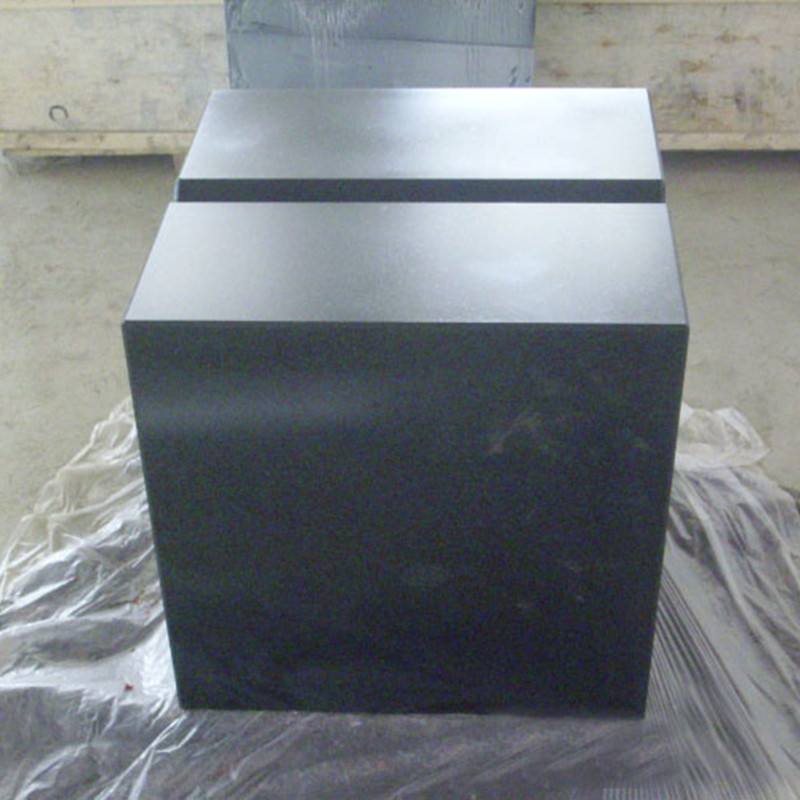
Versatile Portable Welding Table for Convenient and Efficient Metal Projects
The Versatility and Importance of Portable Welding Tables In the realm of metalworking, welding stan
valvole ad acqua accese o spente
Valvole dell'Acqua Accese o Spente? Nel mondo moderno, l’acqua è una risorsa preziosa e limitata. La
Using Taper Plug Gauge for Precision Inspection and Measurement in Manufacturing Processes
Understanding Taper Plug Gauges Their Purpose and Application in Quality Control Taper plug gauges a
 English